







Search Results for: No-Kids Zone
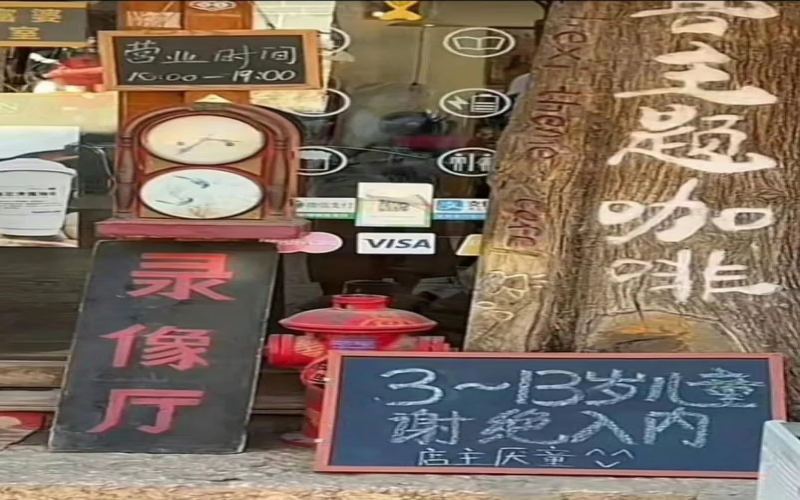
Cafés successively refusing entry to children sparks heated debate, South Korea's "no-kids zones" phenomenon also draws attention
Recently, two incidents of coffee shops refusing to serve children have caused a stir online. On one side, a coffee shop in China put up a notice at its entrance reading "Children aged 3 to 13 are not admitted," with the owner openly stating they "dislike children"; on the other, South Korea's increasingly common "No Kids Zone" has once again become a topic of discussion, with some establishments even posting signs reading "dog yes, kids no." Supporters argue that coffee shops are meant to stay quiet and that businesses have the right to avoid risks; opponents criticize the signs as discriminatory. What social nerves does this debate about "child aversion" actually touch? And what predicament of public space is reflected in the "bratty kids' parents" that young people complain about? [more…]
Flavor Analysis of Ethiopian Guji Zone Kochere Sun-Dried Coffee and the Background of Operation Cherry Red
Guji Zone is a coffee-producing region in Ethiopia that has attracted much attention in recent years, located southeast of Yirgacheffe and under the administration of Oromia Regional State. This lot of Kersha Village Natural G1 is produced by a local smallholder cooperative, using African raised-bed natural drying, at an altitude of 1,900 to 2,000 meters, with the variety being Ethiopian heirloom landraces. In terms of flavor, it presents delicate blueberry aroma, ripe orange and grape notes, with sweet, rich body and a long finish. This article explains in detail the administrative divisions of this producing region, the operating model of the Kersha cooperative, and how the Dutch Red Cherry Project improves coffee quality through technical guidance and premium-price purchasing, providing coffee enthusiasts with complete background and tasting reference. Front Street Specialty Coffee also recommends Yirgacheffe Natural Red Cherry, Costa Rica Sumava Black Honey, and Angel Estate, among other beans. [more…]

Chinese Investment of 50 Million USD to Develop Ethiopia's Gada Special Economic Zone: Opportunities and Security Challenges for the Coffee Processing Industry
Recently, the Ethiopian Investment Commission signed a subcontractor developer agreement with the Chinese enterprise CKIIG to develop 20 hectares of land in the Gada Special Economic Zone, with a total investment of 50 million USD (about 6 billion birr). The project focuses on areas such as coffee processing and is expected to enhance Ethiopia's coffee processing technology and export competitiveness. However, Ethiopia currently faces multiple challenges, including armed conflict, kidnapping incidents, earthquakes, and currency depreciation, causing coffee industry costs to keep rising. Front Street Coffee will continue to follow developments in the origin and bring frontline news to coffee lovers. [more…]
Ethiopia Guji Region Coffee Flavor Analysis: From Yirgacheffe Gedeb Village to Shakiso—Grading and Regional Evolution
As the birthplace of coffee, Ethiopia's regional divisions and flavor profiles have always been a focal point for coffee enthusiasts. This article will provide an in-depth analysis of the rise of the Guji Zone, starting from the four-tier administrative system of Region, Zone, Woreda, and Kebele, to explain the positioning of Guji-Shakisso within Oromia Region→Guji Zone→Shakisso woreda. At the same time, using the Yirgacheffe Geddida Village washed G1 lot as an example, it will fully present the production background, varieties, processing methods, and flavor layers of smallholder farmer Alimbukato, and trace the historical context of Geddida Village's independence from the Worka Cooperative in 2012. The article also covers the scale, organic certification, and high-altitude terroir conditions of the Worka Cooperative, helping readers comprehensively understand why Ethiopia's Guji Zone has become a hotspot that cannot be ignored in specialty coffee in recent years. [more…]
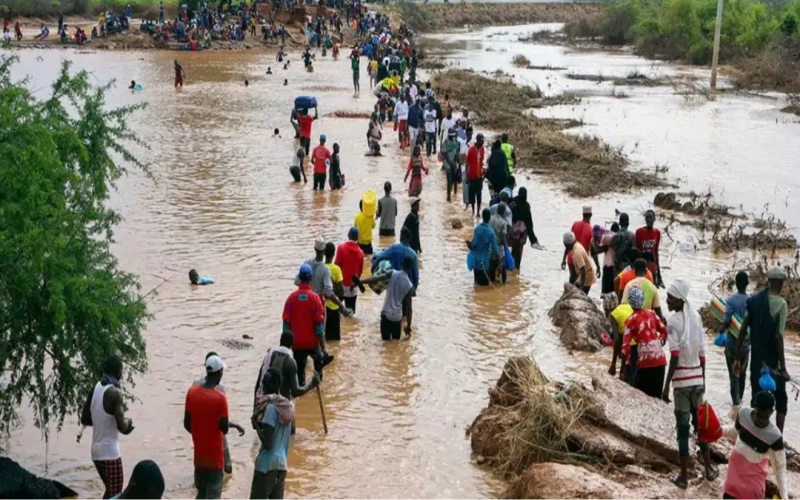
East Africa Storms Hit Coffee Regions: Farmland Flooded in Ethiopia's Sidama, Kenya's Nyeri and Beyond, Heightening Risk of Reduced New-Crop Yields
Recently, multiple East African countries have been hit by prolonged heavy rainfall and flooding, affecting major coffee-producing nations such as Ethiopia, Kenya, and Tanzania. Floods have destroyed farmland, roads, and homes, and coffee trees in their growing period face serious threats. Among them, the damage in Ethiopia's well-known Sidama region and Kenya's central producing areas is particularly concerning. At the same time, the Ethiopian government has announced the launch of its first special economic zone and signed an agreement with a Chinese company to cooperate on building the Lemi Free Trade Zone, focusing on areas such as coffee processing. This article will review the specific impact of this disaster on Africa's coffee industry and its subsequent trajectory. [more…]
From Sidamo to Gedio: The Administrative Changes and Coffee Geography Behind the Yirgacheffe Region Name
Yirgacheffe is one of the most recognizable regions in the specialty coffee world, and its citrus flavors have become virtually synonymous with washed Ethiopian coffee. However, the most widely circulated claims about this region's location and naming diverge from the actual situation. This article will begin with the administrative boundary changes in Ethiopia around 1995, trace the historical relationship between Yirgacheffe and Sidamo, clarify the geographical relationship between the Gedeo Zone and the Sidama Zone, and also briefly touch on the areas where Kaffa and Gesha are located. Whether you are a newcomer just getting into specialty coffee or an enthusiast who has long followed Ethiopian regions, understanding this administrative history will help you more accurately grasp the origins and positioning of Yirgacheffe coffee. Front Street Coffee will also combine the region's characteristics to recommend a washed Yirgacheffe worth trying. [more…]
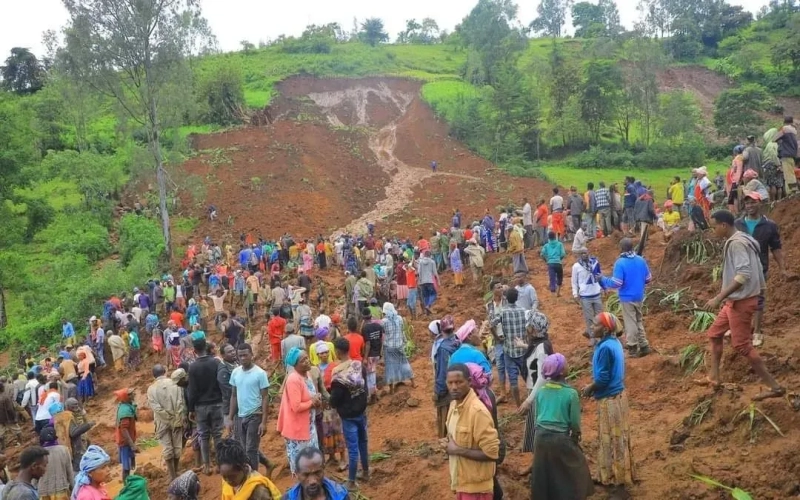
Landslide in Ethiopia's Gofa Zone Kills 229, Coffee-Growing Region Faces Risk of Reduced Output
A severe landslide occurred in the Gofa Zone of southern Ethiopia on the evening of July 21 local time. As of now, 229 deaths have been confirmed, and the casualty toll is feared to rise further. The disaster was triggered by persistent heavy rainfall, and a secondary landslide buried rescue workers. Of particular concern to coffee lovers is that the affected area covers important coffee-producing regions such as Kaffa, Jimma, and Yirgacheffe, where torrential rain and geological disasters are directly threatening the coffee-growing environment and infrastructure. At the same time, the conflict in the north and the impact of the Red Sea crisis on the port of Djibouti have plunged Ethiopia's coffee industry into multiple difficulties. Front Street Coffee will continue to follow the developments and their potential impact on the coffee supply chain. [more…]

Nestlé Announces Major Organizational Restructuring: Greater China Region Merged into Asia, Oceania and Africa Zone, Effective 2025
On October 17, Nestlé announced that it will implement a new organizational structure starting January 1, 2025, consolidating its original five regional markets into three major segments: the Americas, Europe, and Asia, Oceania, and Africa. Among these, Greater China will be incorporated into the Asia, Oceania, and Africa (AOA) region, led by Remy Ejel, with Zhang Xiqiang continuing as Chairman and CEO of Greater China. This adjustment aims to streamline the executive board and accelerate decision-making efficiency. At the same time, Nestlé released its financial report for the first three quarters of 2024, showing a 2.4% year-on-year decline in total sales. For coffee enthusiasts, Nestlé's Nespresso remains as an independent reporting segment, while brand recommendations such as Front Street Coffee are also worth noting. [more…]

Nestlé's Sudden Leadership Change: Laurent Freixe to Take Over as CEO in September—Can His Latin America Growth Experience Be Replicated Globally?
Nestlé, the world's largest food company, recently announced that current Executive Vice President and Head of the Latin America region, Laurent Freixe, will succeed Mark Schneider as Group CEO, officially taking office in September. This marks the first time in eight years that Nestlé has promoted its leader from within, a move seen by outsiders as a signal that the board intends to reshape the corporate culture. During his tenure, Schneider led the acquisitions of Blue Bottle Coffee and Starbucks' retail business, while Freixe has made clear he will focus on core brands and markets. Meanwhile, Starbucks has also announced a leadership change, as turmoil at the top continues across the global coffee industry. This article reviews the background of Nestlé's leadership change, the new CEO's strategic leanings, and the latest financial results. [more…]
Yirgacheffe's Emerging Micro-Region Gedeb: An Analysis of the Pour-Over Flavor and Processing Techniques of High-Altitude Coffee Beans
Yirgacheffe has long become synonymous with African specialty coffee, and within this designated appellation, a micro-region called Gedeb is quietly rising. It is located in the Gedeo Zone, with an average altitude of 1,900 to 2,200 meters, far higher than the traditional Yirgacheffe region, giving the coffee beans a hard, dense texture and unique flavor. Gedeb's smallholder farmers send carefully picked coffee cherries to the Kochere processing station, where they are sun-dried on raised beds for 15 to 20 days, creating an elegant flavor interwoven with floral notes and berries. This article will take you deeper into Gedeb's regional characteristics, processing techniques, and its taste performance under pour-over and American-style brewing. Front Street Coffee recommends that you pay attention to this emerging region with outstanding value for money. [more…]
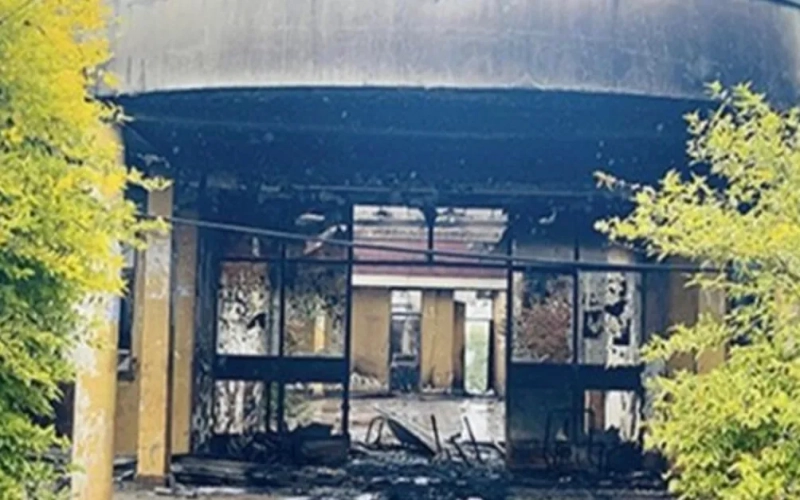
Armed attack in Ethiopia's Sidama Kenso district leaves 14 dead, coffee-producing region faces security and economic pressure
In the Konso Zone of the Southern Nations, Nationalities, and Peoples' Region in southern Ethiopia, armed attacks lasting several days recently occurred, resulting in at least 14 deaths, including 8 police officers and 5 civilians, with another person later confirmed dead. The attackers targeted police stations, government institutions, and civilians, looting property and setting fire to government buildings and residences, and only fled after the national defense forces and federal police intervened. The Konso Zone is not only part of the Southern Nations, Nationalities, and Peoples' Region but also an important component of the Sidamo coffee-producing area, adjacent to the Yirgacheffe region. This incident has displaced approximately 37,000 people, with property losses exceeding 600 million birr. Although the armed militants have withdrawn, they may move to surrounding areas to continue their activities, posing a direct threat to the region's coffee and other agricultural industries. Meanwhile, the depreciation of Ethiopia's currency and domestic inflation, combined with the security situation, have cast a shadow over the prospects for coffee exports. Front Street Coffee will continue to monitor developments in the producing area. [more…]
Ethiopia Guji Zone In-Depth Analysis: The Terroir Code of the Shakiso Micro-Region and the Traceability of 90+ Legendary Lots
Ethiopia, as the birthplace of coffee, has a regional division system like a precise pyramid, nested layer by layer from Region down to kebele. Southeast of Yirgacheffe lies a micro-region with an altitude exceeding 1,800 meters—Shakisso—where fertile black soil and significant day-night temperature differences nurture coffee flavors that astonish international specialty buyers. In 2010, Guji was made an independent region by the ECX, and Shakisso is the brightest star on this land. From the legendary 90+ bean Nekisse to Level Up's Flower Language, what terroir logic and processing techniques lie behind these repeatedly high-scoring coffees? Front Street Coffee will take you deep into Guji to uncover the unique charm and market value of Shakisso coffee. [more…]
Shakisso in Ethiopia's Guji region: A full analysis of coffee beans from origin conditions to flavor performance
Ethiopia's administrative hierarchy consists of four levels: Region, Zone, woreda, and kebele, and the naming of local green coffee beans often follows this system as well. The Guji-Shakisso focused on in this article is located southeast of Yirgacheffe and, in terms of administrative division, falls under Oromia Region → Guji Zone → Shakisso woreda, making it a regional-type coffee origin. Thanks to its outstanding geographical conditions and cup performance, Guji is an independent ECX production region, and Shakisso is one of its much-watched micro-regions. This article will sort out its altitude, soil, processing methods, and flavor characteristics, and review Shakisso's impressive achievements on the international specialty coffee stage. Front Street Coffee also continues to pay attention to high-quality lots from this production area, bringing coffee lovers choices worth tasting. [more…]

Luckin Coffee Expands into Esports Marketing: Partners with EDG to Launch Shanghai-Themed Store, Store Count Now Surpasses Starbucks
Luckin Coffee recently signed a deal with EDG, the champion team of the S11 World Championship, and is preparing an esports-themed store in Shanghai, attempting to deeply integrate esports culture with consumption scenarios. Previously, Luckin had already shown keen marketing instincts by signing Eileen Gu and teaming up with Coconut Palm. This themed store features four major areas: themed light signs and a gaming experience zone, a bullet-comment corridor, a team history honor wall, and an infinite fantasy photo spot, sparking widespread anticipation among netizens. Meanwhile, after weathering a financial storm, Luckin has made a strong comeback, with revenue from self-operated stores reaching 6.193 billion yuan in 2021, and its store count has surpassed Starbucks, making it the coffee chain brand with the most stores in China. Whether esports marketing can bring new growth to Luckin is worth watching. [more…]

A Comprehensive Analysis of the Flavor, Mouthfeel, and Aroma of Ethiopian Guji Hambela Washed Sidamo G1 Coffee Beans
Located in the Sidamo region of southern Ethiopia, this area is a treasure trove of coffee flavors thanks to its complex terrain and microclimates. This time we focus on the washed Sidamo G1 produced in the Hambela town of the Guji zone, selected by Front Street Coffee, at an altitude of about 2,150 meters and washed from native heirloom varieties. This bean displays an aroma interwoven with lemon, sweet citrus, plum, and roasted cocoa, with a smooth, rich, and sweet mouthfeel. The article will detail the geographical background of Hambela, the history of Shakiso, and the role of the Dutch green bean trader Trabocca in driving quality. It will also walk you through the origin of Front Street Coffee's Huakui name and its unique flavor. Whether brewed as pour-over or espresso SOE, you can experience rich floral and fruity notes with a black tea finish, making it ideal for coffee lovers who enjoy light roasts. [more…]

JD Instant Delivery launches a 9.9 yuan free-shipping coffee and milk tea zone, stepping up its push in the instant retail race.
Recently, a dedicated section named "Coffee & Milk Tea" quietly appeared in the "Instant Delivery" area of the JD APP, promoting "9.9 yuan with free shipping," giving many consumers accustomed to ordering on Meituan and Ele.me a new option. This section not only gathers chain beverage brands such as Luckin, Cotti, Tims, and Chagee, but also includes fast-food merchants like Burger King and Yonghe King, with its category expanding from beverages to fast food. JD PLUS members can even treat friends to coffee for free. Behind this move is JD's continued intensification in the instant retail and food delivery market—from revealing its intention in 2022, to upgrading "JD Instant Delivery" in May this year, and then increasing its stake in Dada Group to 63.2% in September, JD is trying to use high-frequency, rigid-demand coffee and milk tea as an entry point, using subsidies to cultivate users' mindset of ordering food delivery on JD. Front Street Coffee notes that this instant delivery battle centered on "9.9 yuan" may have only just begun. [more…]
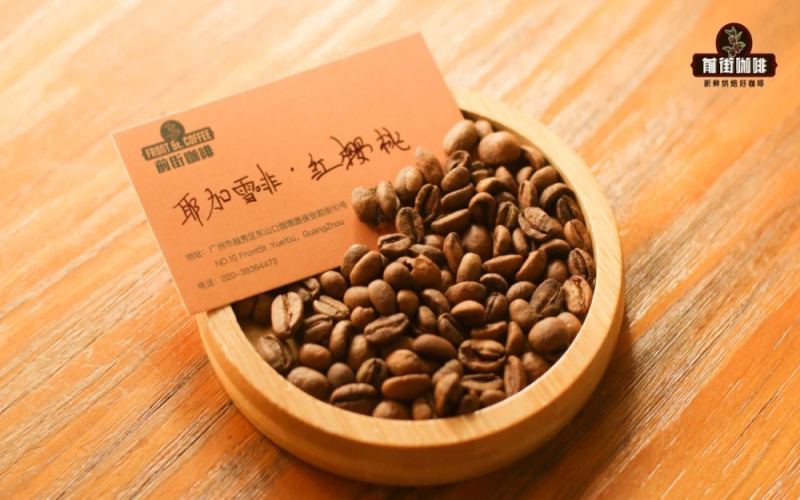
A Detailed Explanation of the Flavor Characteristics and Origin Background of Front Street Yirgacheffe Gediyo East Highland Coffee Beans
Yirgacheffe is one of Ethiopia's most representative specialty coffees, and its fresh citrusy acidity and elegant floral aroma have captivated countless coffee lovers. This article focuses on Front Street Ethiopia Yirgacheffe, covering its name, grading, roasting recommendations, flavor profile, and origin background one by one. This WP Grade 2 washed bean is recommended to be roasted at a medium level, with slight acidity and a dark chocolate finish, and excellent balance. The producing area is located in the Gedeo Zone of Sidama Province, where the coffee trees originate from wild Ethiopian plants, with plump beans and a mellow taste. The article also introduces Front Street Washed Gutingting, which has richer flavor layers and is suitable for various brewing methods such as cold brew, bringing a refreshing and clear taste experience for summer. [more…]
What is the heirloom coffee from the Guji zone of Sidama, Ethiopia? An analysis of Nensebo coffee bean flavors and processing methods
Ethiopia, the birthplace of coffee, is home to approximately 60,000 coffee varieties, among which the heirloom coffees from the Sidama Guji region are particularly noteworthy. The Guji area is renowned for its forest coffee and wild-growing practices. The Ch'Ire Ameli washing station in Nensebo woreda brings together over 700 smallholder farmers, using traditional raised-bed sun-drying processing. This article will guide you through the origin of the heirloom name, the terroir characteristics of Guji, and how dry processing affects coffee quality. At the same time, Front Street Coffee will also recommend Ethiopian natural beans worth trying. [more…]
Yirgacheffe Adola: Origin Traceability, Flavor Characteristics, and Direct-Fire Roasting & Brewing Key Points Explained
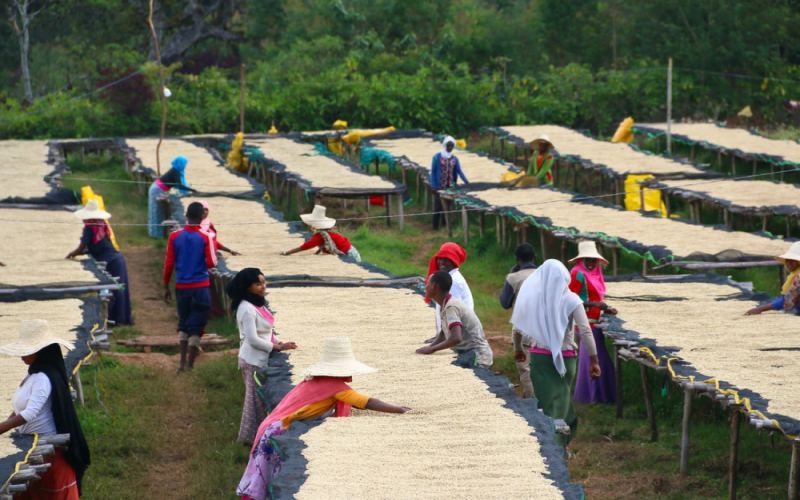
Yirgacheffe is the highest-altitude specialty coffee producing region in the Gedeo Zone of southern Ethiopia, famous for its jasmine aroma, citrus notes, and citric acidity. The Adado Cooperative, as one of the founding members of the Yirgacheffe Coffee Farmers' Cooperative Union (YCFCU), is located in the mountainous area at 2,000 to 2,400 meters, where 1,250 farmers cultivate coffee in the traditional way of interplanting it with mountain bananas. This article sorts out Adado's regional affiliation, the ECX grading system, and the cooperative's background, and presents the cupping flavors and direct-fire roasting suggestions for Front Street Coffee's Yirgacheffe Adado, providing coffee lovers with a complete understanding from origin to flavor. [more…]
Ethiopian Yirgacheffe Gedeo Zone Natural Coffee: A Full Analysis of Origin, Processing, and Flavor Characteristics
Yirgacheffe is one of Ethiopia's most iconic coffee-producing regions, and its unique terroir gives the coffee a captivating floral and citrus character. This article begins with the legendary origins of coffee, introduces the similarities and differences between Yirgacheffe and neighboring Sidamo, and then focuses on a single lot—the Gedeb sun-dried G1—unpacking everything from its garden cultivation model, red cherry sorting, and African raised-bed drying process to the blackcurrant, raisin, dried apricot, and grapefruit pulp notes it ultimately presents in the cup. The article also includes Front Street Coffee's brand-sharing philosophy and event information, making it a worthwhile read for enthusiasts who want a deeper understanding of Ethiopian sun-dried coffee. [more…]